Children with special educational needs deserve support that genuinely makes a difference. However, not all interventions deliver the promised results. Research shows that certain approaches consistently help students thrive, while others fall short despite good intentions.
This article explores evidence-based interventions that produce real outcomes for children with diverse learning needs. From reading support to behavioral strategies, these methods have proven track records in classrooms worldwide.
Understanding Special Educational Needs
Special educational needs encompass a wide range of challenges. These include learning disabilities, attention difficulties, autism spectrum disorders, and communication issues. Additionally, some children face physical disabilities or sensory impairments that affect their education.
Each child presents unique strengths and challenges. Therefore, effective intervention requires careful assessment and individualized planning. What works for one student may not suit another, even with similar diagnoses.
Multisensory Structured Literacy Approaches
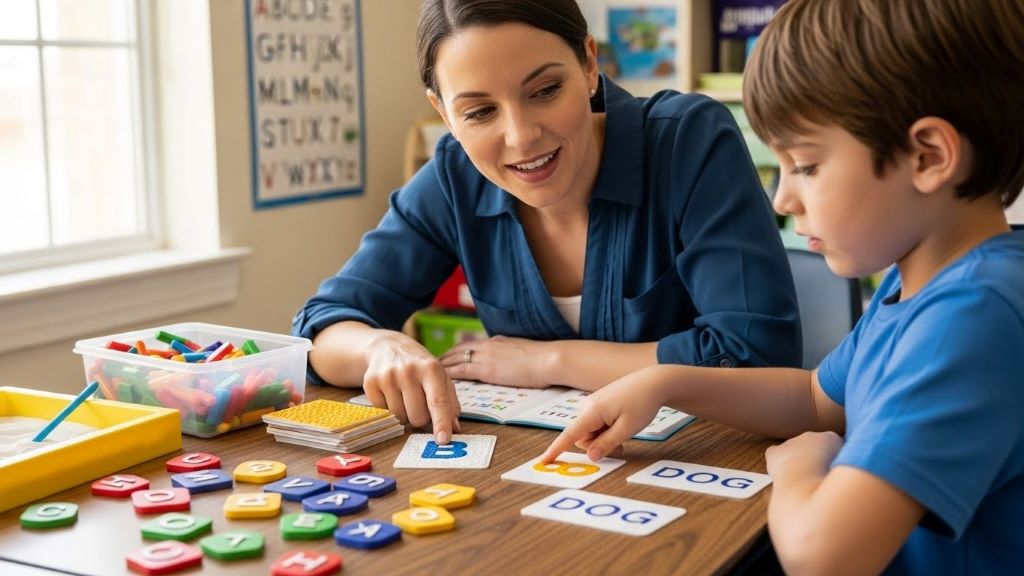
Reading difficulties affect millions of children globally. Multisensory structured literacy programs address these challenges through systematic, explicit instruction. These approaches teach reading by engaging multiple senses simultaneously.
Programs like Orton-Gillingham and Wilson Reading System have demonstrated strong results. Students learn letter-sound relationships through visual, auditory, and kinesthetic activities. For instance, children might trace letters in sand while saying sounds aloud.
Research consistently supports these methods for dyslexia intervention. Students typically show measurable gains in decoding, fluency, and comprehension. Moreover, the structured nature helps children develop confidence alongside skills.
Response to Intervention Framework
Response to Intervention (RTI) provides tiered support based on student needs. This framework begins with quality classroom instruction for all students. Teachers then monitor progress regularly to identify struggling learners early.
Students who need extra help receive targeted small-group interventions. These sessions focus on specific skill gaps with increased intensity. Most importantly, data guides decisions about continuing, adjusting, or intensifying support.
The U.S. Department of Education recognizes RTI as an effective approach for identifying and supporting students with learning disabilities. Schools implementing RTI report earlier identification and better outcomes than traditional models.
Positive Behavioral Interventions and Supports
Behavioral challenges often interfere with learning for children with special needs. Positive Behavioral Interventions and Supports (PBIS) takes a proactive approach to classroom management. Rather than punishing unwanted behaviors, PBIS teaches and reinforces positive alternatives.
This framework operates on three levels. Universal strategies establish clear expectations for all students. Targeted interventions support small groups facing similar challenges. Finally, individualized plans address the needs of students requiring intensive support.
Schools using PBIS report reduced disciplinary incidents and improved school climate. Students learn self-regulation skills that extend beyond the classroom. Furthermore, teachers spend less time managing behavior and more time teaching.
Assistive Technology Integration
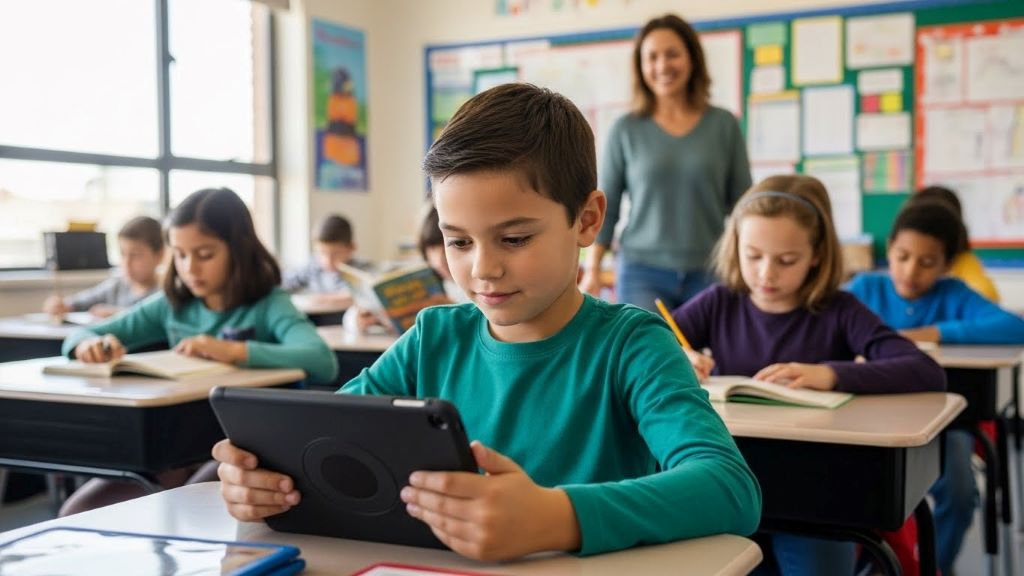
Technology opens doors for students with various disabilities. Text-to-speech software helps children with reading difficulties access grade-level content. Speech-to-text programs enable students with writing challenges to express their ideas freely.
Graphic organizers and mind-mapping tools support executive functioning difficulties. These visual aids help students organize thoughts and plan assignments. Additionally, communication devices give voice to nonverbal children with autism or speech disorders.
Effective technology integration requires proper training and support. Teachers need guidance selecting appropriate tools and teaching students to use them independently. However, when implemented well, assistive technology dramatically increases student participation and achievement.
Direct and Explicit Instruction
Direct instruction involves clear, systematic teaching of specific skills. Teachers break down complex tasks into manageable steps. Each step receives explicit teaching, modeling, and guided practice before students work independently.
This approach benefits many students with learning disabilities. The predictable structure reduces confusion and builds confidence. Moreover, frequent practice opportunities reinforce new skills until they become automatic.
Research shows direct instruction produces significant gains in reading, mathematics, and other academic areas. Students receive immediate feedback and correction, preventing the practice of errors. Consequently, learning proceeds more efficiently than with discovery-based methods alone.
Social Skills Training Programs
Many children with special needs struggle with social interactions. Structured social skills training teaches specific behaviors through direct instruction and practice. Programs address skills like starting conversations, reading social cues, and managing conflicts.
Role-playing activities allow students to practice new skills in safe environments. Video modeling shows examples of appropriate social behavior. Additionally, peer-mediated interventions involve typically developing classmates as social partners and models.
According to research published in journals reviewed by the National Institutes of Health, structured social skills interventions improve peer relationships and reduce social isolation. Children develop friendships and participate more fully in school activities.
Working Memory Training
Working memory difficulties affect many students with learning disabilities and ADHD. These challenges impact reading comprehension, mathematical problem-solving, and following multi-step directions. Targeted working memory training strengthens this cognitive skill through specific exercises.
Computer-based programs like Cogmed provide adaptive training that adjusts difficulty levels. Students complete engaging activities that challenge working memory capacity. Training typically occurs daily over several weeks.
Research indicates working memory training can improve attention and academic performance. However, gains transfer most effectively when training connects to academic content. Therefore, combining working memory exercises with subject-specific instruction yields optimal results.
Parent and Family Involvement
Family engagement significantly enhances intervention effectiveness. Parents who understand their child’s needs can reinforce skills at home. Regular communication between teachers and families ensures consistency across environments.
Training programs help parents implement strategies effectively. Workshops teach specific techniques for supporting homework and practicing skills. Additionally, parent support groups provide emotional encouragement and practical advice.
Schools that prioritize family partnerships see better attendance and higher achievement. Parents become advocates who ensure their children receive appropriate services. Furthermore, children benefit from seeing home and school working together.
Evidence-Based Mathematics Interventions
Mathematical difficulties affect many students with learning disabilities. Effective math interventions use concrete manipulatives to build conceptual understanding. Students physically represent problems before moving to abstract symbols.
Explicit instruction in problem-solving strategies helps students approach math systematically. Teaching mathematical vocabulary ensures students understand what problems ask. Moreover, frequent practice with immediate feedback builds computational fluency.
Computer-assisted instruction provides individualized practice at appropriate difficulty levels. These programs adjust based on student performance, maintaining optimal challenge. Research supports combining technology with teacher-led instruction for maximum impact.
Monitoring Progress and Adjusting Interventions
Regular progress monitoring ensures interventions produce desired results. Teachers collect data weekly or biweekly using brief assessments. These measurements show whether students are responding to instruction.
When progress stalls, educators analyze data to identify problems. Perhaps the intervention needs more intensity or a different approach entirely. Data-driven decision-making prevents wasting time on ineffective strategies.
Progress monitoring also demonstrates success to students, parents, and administrators. Visual graphs show growth over time, motivating continued effort. Therefore, measurement becomes both an accountability tool and a celebration of achievement.
Conclusion
Effective special educational needs interventions share common characteristics. They rely on research evidence rather than trends or intuition. These approaches provide systematic, explicit instruction tailored to individual needs. Additionally, successful interventions involve regular monitoring and adjustment based on student progress.
No single method works for every child with special needs. However, the interventions described here have proven track records across diverse student populations. Schools and families should prioritize these evidence-based approaches when supporting children with learning differences.
Ultimately, the right intervention delivered with fidelity can transform educational outcomes. Children with special needs can achieve their potential when provided appropriate support. Therefore, investing in proven interventions represents an investment in every child’s future success.
Frequently Asked Questions
How long does it take to see results from special education interventions?
Most evidence-based interventions show measurable progress within 6 to 8 weeks of consistent implementation. However, significant skill development typically requires several months of regular support. Progress varies based on the child’s needs, intervention intensity, and consistency of implementation.
Can children with severe disabilities benefit from these interventions?
Yes, research-based interventions benefit children across the disability spectrum. Approaches require modification based on individual abilities and needs. Even students with significant challenges show progress when interventions match their current skill levels and learning styles.
Who should deliver special education interventions?
Qualified professionals should provide intensive interventions. This includes special education teachers, reading specialists, speech therapists, and trained interventionists. However, classroom teachers can implement many strategies with appropriate training. Paraprofessionals may deliver interventions under proper supervision.
How do schools decide which intervention to use?
Schools should base intervention selection on comprehensive assessment data identifying specific skill deficits. Research evidence supporting the intervention’s effectiveness is crucial. Additionally, schools consider available resources, staff training, and the intervention’s track record with similar students.
Do children become dependent on interventions and support?
Properly designed interventions teach independence rather than creating dependence. The goal involves building skills until students can perform tasks without support. Gradual fading of assistance ensures students maintain abilities after intervention ends. Most children successfully transition to less intensive support over time.
Related Topics:
Learn How Do You Peer Review A Paper