

Imagine a world where your little one learns colors through a quick game on a rainy afternoon. Or counts animals during a short car ride. Personalized micro-learning programs make this possible. These approaches tailor education to each child’s unique needs. They break lessons into tiny, fun bits. Parents and educators use them to spark curiosity in preschoolers. According to a study, personalized environments engage 75% of students, compared to just 30% in traditional settings. Another report shows micro-learning boosts retention by up to 80% more than longer sessions. This article explores how these programs work, their benefits, and ways to start at home. You’ll find practical tips to help your child thrive.
What Is Personalized Micro-Learning?
Personalized micro-learning combines two powerful ideas. First, personalization adjusts content to fit a child’s interests and pace. Second, micro-learning delivers information in small chunks. Together, they create engaging experiences for young minds.
Educators design these programs around a preschooler’s strengths. For example, a child who loves animals might learn letters through zoo-themed activities. This method keeps lessons relevant and exciting. Researchers note that such tailoring builds confidence early on.
Micro-learning focuses on brevity. Sessions last just a few minutes. Yet, they pack in key skills like counting or shapes. Parents appreciate this flexibility. It fits into busy days without overwhelming anyone.
Furthermore, these programs use technology and play. Apps and games make learning feel like fun. However, hands-on activities work just as well. The goal remains simple: meet the child where they are.
In essence, this approach shifts from one-size-fits-all teaching. Instead, it celebrates individuality. As a result, preschoolers stay motivated and absorb more.
Why Preschoolers Need Tailored Education
Young children develop at different rates. Some grasp numbers quickly, while others excel in stories. Personalized programs address these variations. They ensure no one falls behind or gets bored.
Traditional classrooms often follow a set curriculum. But preschoolers benefit from flexibility. Tailored micro-learning adapts to their moods and energy levels. Consequently, kids feel empowered in their learning journey.
Moreover, early education sets the foundation for life. Studies show quality preschool experiences reduce grade retention later. Personalized methods enhance this impact. They foster emotional growth alongside academics.
Parents notice quicker progress. A shy child might open up through customized social stories. Meanwhile, an active one channels energy into short movement-based lessons. This customization leads to happier learners.
Additionally, these programs promote inclusivity. Children with special needs thrive with adjusted content. For instance, visual aids help those with speech delays. Overall, tailored education builds a strong start.
Key Benefits of Micro-Learning for Young Kids
Micro-learning offers numerous advantages. It improves focus in short bursts. Preschoolers have limited attention spans, so brief sessions keep them engaged.
Research highlights better retention. Breaking info into small parts makes it easier to remember. Kids recall facts longer than from hour-long classes. This efficiency saves time for everyone.
Furthermore, personalization boosts motivation. When lessons match interests, children participate eagerly. They see learning as play, not a chore. As a result, they develop a love for discovery.
Social and emotional skills grow too. Micro-modules on sharing or emotions fit seamlessly into daily routines. Parents report improved behavior after consistent use.
Accessibility stands out as well. Families in remote areas access apps easily. No need for fancy equipment. Just a tablet or phone suffices.
In addition, these programs encourage family involvement. Parents join short activities, strengthening bonds. This shared experience enhances learning outcomes.
Finally, flexibility adapts to life. Sick days or travel don’t disrupt progress. Quick sessions resume anytime. Thus, education becomes a natural part of childhood.
How Personalized Programs Enhance Development
Personalization targets specific areas. For cognitive growth, programs use puzzles or songs. They adjust difficulty based on progress.
Emotional development gets attention too. Stories about feelings help kids identify emotions. Customized feedback reinforces positive responses.
Physical skills integrate through active games. A child practices fine motor tasks in bite-sized challenges. Over time, coordination improves noticeably.
Language acquisition accelerates with tailored vocab. Apps repeat words in context, building fluency. Parents hear new phrases emerge daily.
Creativity flourishes in open-ended modules. Drawing or storytelling prompts spark imagination. Personal touches make these activities meaningful.
Socially, programs simulate interactions. Virtual playdates teach turn-taking. Real-life extensions solidify these lessons at home.
Overall, holistic growth occurs. Each area interconnects, creating well-rounded preschoolers. This comprehensive approach prepares them for school.
Steps to Create a Personalized Micro-Learning Plan
Start by assessing your child’s interests. Observe what captivates them daily. Animals? Colors? Use these as themes.
Next, set small goals. Focus on one skill per week, like counting to five. Break it into daily micro-sessions.
Choose tools wisely. Apps offer ready-made content. However, mix in homemade activities for variety.
Track progress gently. Note what works and adjust. If a game bores them, switch to songs.
Involve the family. Siblings can join, making it fun. Parents model enthusiasm.
Schedule flexibly. Aim for 5-10 minutes twice a day. Consistency matters more than duration.
Review monthly. Celebrate wins and tweak plans. This keeps the program fresh.
Best Practices for Home Implementation
Begin with a dedicated space. Set up a cozy corner with toys and tablets. Keep it inviting.
Use everyday moments. Turn bath time into shape recognition. Grocery shopping becomes color hunting.
Incorporate play. Games disguise learning effectively. Puzzles teach problem-solving without pressure.
Vary formats. Alternate videos, books, and hands-on tasks. This prevents monotony.
Encourage independence. Let kids choose activities sometimes. Autonomy builds confidence.
Monitor screen time. Balance digital with offline play. Aim for quality over quantity.
Seek feedback. Ask your child what they enjoy. Their input refines the program.
Popular Apps for Preschool Micro-Learning
Several apps excel in personalization. Khan Academy Kids offers free lessons in math and reading. It adapts to skill levels automatically.
SplashLearn focuses on math and ELA. Games personalize based on performance. Kids earn rewards, staying motivated.
Keiki World provides colorful worksheets and games. It covers multiple subjects for toddlers.
Starfall teaches literacy through interactive stories. Custom paths suit different paces.
ABC Mouse delivers comprehensive curricula. Modules break into short, engaging segments.
Homer emphasizes reading with personalized plans. Daily micro-lessons build skills progressively.
These e-learning tools make setup easy. Parents select starting points, and apps handle adjustments.
Integrating Technology and Play
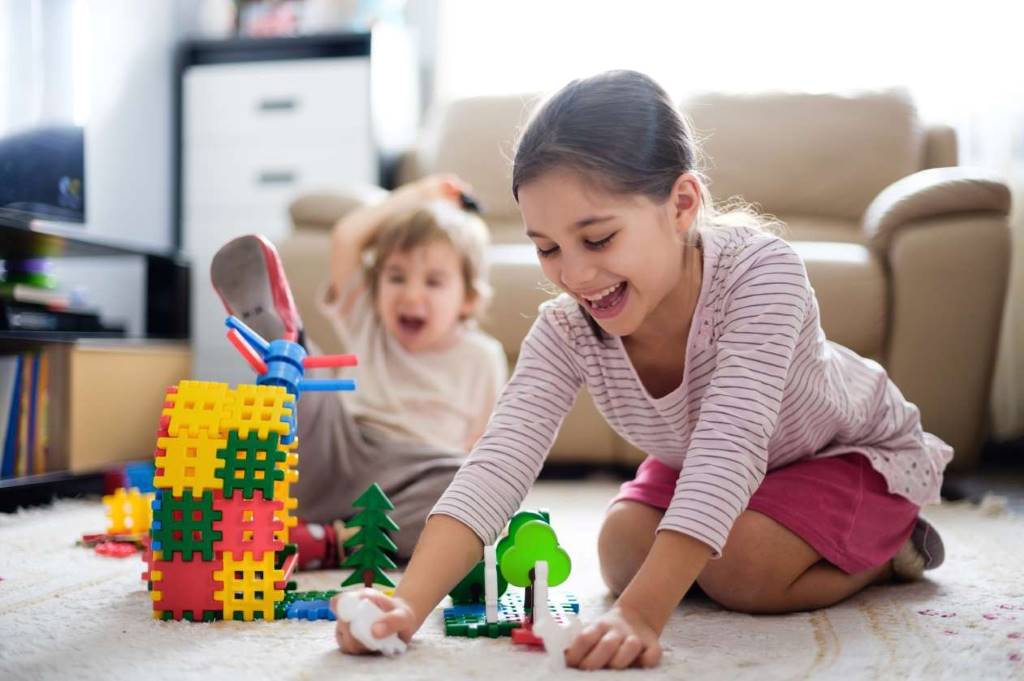
Blend screens with real toys. After an app lesson on animals, play with stuffed versions. This reinforces concepts.
Create hybrid activities. Use apps for ideas, then craft offline versions. Drawing apps inspire paper art.
Limit distractions. Choose quiet times for tech use. Follow with active play to balance.
Personalize further. Input your child’s name into stories. This increases engagement.
Explore free resources. Many apps start gratis, allowing trials. Find what fits your family.
Technology enhances, but play grounds it. Together, they create dynamic learning.
Addressing Common Challenges
Short attention spans challenge many. Counter with ultra-brief sessions. Start at 2 minutes and build up.
Resistance occurs sometimes. Introduce fun elements first. Rewards like stickers help.
Overwhelm from options daunts parents. Start simple with one app. Expand gradually.
Consistency slips in busy homes. Set reminders on phones. Make it a habit.
Measuring progress confuses some. Use app dashboards or journals. Track small wins.
Adapting for multiples varies needs. Group similar activities, personalize individually.
Solutions exist for each issue. Patience and tweaks resolve most.
Case Studies: Real Success Stories
One family shared their journey. Their 4-year-old struggled with letters. Personalized apps turned it around in weeks. Daily micro-games made reading fun.
Another parent noted emotional gains. Short stories on feelings reduced tantrums. The child expressed needs better.
A study group of preschoolers used micro-learning. Retention rates soared 80%. Engagement tripled compared to standard methods.
Teachers in a pilot program personalized modules. Students showed 75% motivation boost. Parents reported easier home transitions.
These examples illustrate impact. Real kids thrive with tailored approaches.
Latest Research on Early Childhood Micro-Learning
Recent studies affirm benefits. A 2025 review found micro-learning enhances educator outcomes too. It applies to preschool settings effectively.
Another paper explored frameworks. Integrating micro-learning improves overall results. Flexibility stands out.
Systematic reviews highlight tools. Digital aids boost basic education. They suit young learners well.
Social media integration shows promise. Short posts enhance family learning.
Research consistently supports personalization. It leads to positive developmental shifts.
Building Social Skills Through Micro-Modules
Social learning fits micro formats. Quick role-plays teach sharing. Apps simulate scenarios safely.
Encourage group play extensions. After a module, practice with friends. This bridges virtual and real.
Emotional intelligence grows via stories. Identify feelings in characters. Discuss them briefly.
Peer interactions personalize. Match modules to playdate needs. Flexibility aids growth.
Parents facilitate discussions. Ask open questions post-session. Deepen understanding.
These methods nurture kind, empathetic kids. Social foundations strengthen early.
Fostering Creativity and Problem-Solving
Creative modules spark ideas. Short art prompts encourage free expression. Personalize to interests.
Problem-solving games challenge gently. Puzzles adjust difficulty. Success builds resilience.
Storytelling sessions inspire narratives. Kids create endings, boosting imagination.
Hands-on crafts follow digital ideas. Build models from app suggestions. Tangible results excite.
Encourage experimentation. Trial and error in safe spaces teaches persistence.
Creativity intertwines with learning. Personalized paths unlock potential.
Parental Role in Personalized Programs
Parents guide the process. Observe and adapt content. Your insights personalize best.
Join sessions actively. Co-play strengthens bonds. Model curiosity.
Provide encouragement. Praise efforts, not just results. This motivates continued learning.
Communicate with educators. Share home progress for seamless integration.
Stay informed. Read updates on apps and research. Evolve your approach.
Your involvement multiplies benefits. Active parents see faster gains.
Future Trends in Preschool Education
Trends point to more AI personalization. Apps will predict needs accurately.
Virtual reality may add immersion. Short VR experiences teach concepts vividly.
Community platforms rise. Parents share custom modules globally.
Sustainability themes integrate. Micro-lessons on environment engage young minds.
Data privacy improves. Secure tools protect family info.
Innovation promises exciting developments. Stay tuned for advancements.
Measuring Success in Micro-Learning
Success shows in daily behaviors. Notice if your child uses new words independently.
App metrics help. Track completed modules and scores. Celebrate milestones.
Observe enthusiasm. Eager participation signals effectiveness.
Compare pre and post skills. Simple tests reveal growth.
Gather feedback from others. Teachers note improvements in class.
Adjust based on data. Refine for ongoing success.
Combining with Traditional Preschool
Blend micro-learning with school. Reinforce classroom topics at home.
Share plans with teachers. Align for consistency.
Use as supplements. Fill gaps in standard curricula.
Transitions smooth with familiarity. Kids adapt quicker.
Hybrid models maximize benefits. Both worlds enhance education.
Cultural Adaptations in Programs
Adapt for diversity. Include multicultural stories. Personalize to family heritage.
Languages vary content. Bilingual modules support dual homes.
Festivals inspire themes. Learn customs in short bursts.
Inclusivity matters. Represent all backgrounds.
Cultural relevance deepens engagement. Kids connect personally.
Health and Wellness Integration
Wellness modules teach hygiene. Short routines build habits.
Mindfulness bites calm young minds. Breathing exercises fit easily.
Nutrition games promote healthy choices. Fun facts encourage good eating.
Physical activity prompts move bodies. Dance or stretch in minutes.
Holistic health supports learning. Balanced kids focus better.
Long-Term Impacts on School Readiness
Early personalization prepares for kindergarten. Skills like listening transfer seamlessly.
Confidence grows from successes. Kids enter school eager.
Social readiness improves. Interactions become natural.
Academic foundations solidify. Numbers and letters feel familiar.
Long-term studies show reduced dropouts. Early investments pay off.
Conclusion
Personalized micro-learning programs revolutionize preschool education. They tailor short, engaging sessions to individual needs. Benefits include better retention, motivation, and development. Parents implement them easily at home with apps and play. Challenges resolve with simple tweaks. Research backs their effectiveness for young learners. Start today by assessing your child’s interests and picking an app. Watch them blossom into confident explorers.
FAQs
What Are the Main Advantages of Micro-Learning for Preschoolers?
Micro-learning keeps sessions short and focused. It matches preschoolers’ attention spans perfectly. As a result, kids stay engaged without fatigue. Retention improves because information comes in digestible pieces. Personalization adds relevance, making lessons stick. Overall, this approach builds skills efficiently while keeping fun central.
How Can Parents Start a Personalized Program at Home?
Begin by noting your child’s likes. Choose themes around them. Select an app or create simple activities. Set short daily times. Track what works and adjust. Involve play to keep it light. Consistency brings quick results.
Are There Free Resources for Micro-Learning?
Yes, many exist. Khan Academy Kids offers free content. Libraries provide educational games. Online platforms share printable modules. Community groups exchange ideas. Start with these to test without cost.
What If My Child Resists Learning Activities?
Make it playful first. Use games or stories they love. Shorten sessions even more. Offer choices to empower them. Praise participation. Over time, resistance fades as fun takes over.
How Does Micro-Learning Support Special Needs?
It adapts easily. Adjust pace and content. Visuals aid communication delays. Repetition builds skills gently. Apps offer custom settings. This inclusivity helps all children succeed.


