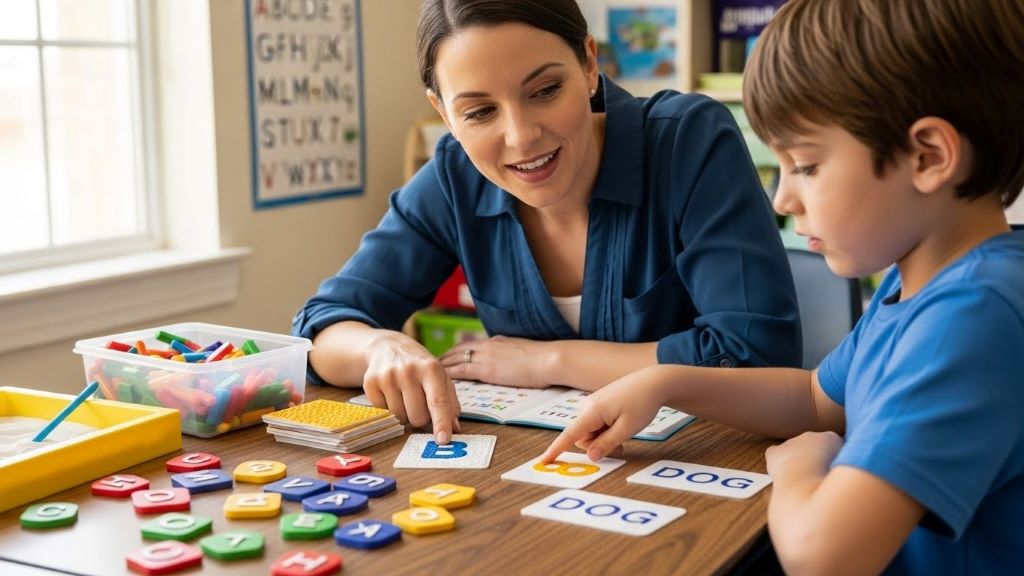
Every student learns differently and has unique strengths, challenges, and goals. A personalized education plan recognizes this individuality and creates a roadmap for academic success. This customized approach helps students achieve their full potential rather than following a one-size-fits-all curriculum.
Creating an effective personalized education plan requires thoughtful assessment, clear goal-setting, and ongoing adjustment. Parents, teachers, and students working together can develop plans that address specific needs while maintaining high expectations. This guide provides practical steps for building education plans that truly serve individual learners.
Understanding What Makes Education Plans Personalized
Personalized education plans differ from standard curriculum by adapting to individual student needs. These plans consider learning styles, interests, current skill levels, and long-term goals. Therefore, two students in the same grade might follow completely different educational paths.
Traditional education moves all students through identical content at the same pace. However, personalized plans allow flexibility in pacing, content depth, and learning methods. Additionally, these plans recognize that students may excel in some areas while needing extra support in others.
Personalization goes beyond academic subjects alone. Effective plans address social-emotional development, executive function skills, and personal interests. Moreover, they connect learning to real-world applications meaningful to individual students.
The best personalized plans remain dynamic documents rather than static paperwork. Regular reviews and adjustments ensure plans evolve with student growth and changing needs. Consequently, personalization becomes an ongoing process rather than a one-time event.
Assessing Current Academic Performance and Skills
Creating an effective education plan begins with comprehensive assessment. Gather data from multiple sources including standardized tests, classroom performance, and teacher observations. This information reveals current achievement levels across subject areas.
Review report cards and progress reports from previous years. Look for patterns showing consistent strengths or recurring challenges. Additionally, note subjects where performance fluctuates, suggesting inconsistent understanding or motivation issues.
Consider both formal and informal assessments. While standardized tests provide comparative data, classroom work samples show day-to-day performance. Moreover, observations during homework completion reveal working habits and areas of frustration.
Identify specific skill gaps requiring attention. A student struggling with reading might need phonics support, comprehension strategies, or vocabulary development. Therefore, pinpointing exact needs enables targeted interventions rather than general remediation.
Assess executive function skills including organization, time management, and task initiation. These abilities significantly impact academic success but often receive insufficient attention. Furthermore, addressing executive function challenges can dramatically improve overall performance.
Identifying Learning Styles and Preferences
Students absorb information differently based on their learning preferences. Some thrive with visual materials while others prefer hands-on activities or verbal explanations. Therefore, understanding how a student learns best shapes effective instruction.
Observe which activities engage the student most fully. Notice whether they remember information better from reading, listening, or doing. Additionally, consider whether they prefer working alone, with partners, or in groups.
Visual learners benefit from diagrams, charts, videos, and written instructions. Provide graphic organizers and encourage note-taking with colors and symbols. Moreover, these students often excel with mind mapping and visual memory techniques.
Auditory learners grasp concepts through discussion, lectures, and verbal repetition. Reading aloud, participating in debates, and using mnemonic devices support their learning. Furthermore, these students often benefit from recording lessons for review.
Kinesthetic learners need movement and hands-on experiences. Science experiments, building projects, and role-playing activities engage these students. However, traditional desk-based learning often frustrates them without proper accommodations.
According to The Washington Post, schools implementing personalized learning approaches report significant improvements in student engagement and achievement across diverse populations.
Setting Specific and Measurable Academic Goals
Effective education plans include clear, achievable goals. Vague objectives like “improve reading” lack the specificity needed for progress monitoring. Instead, set measurable targets such as “increase reading fluency from 80 to 120 words per minute.”
Use the SMART framework for goal-setting. Goals should be Specific, Measurable, Achievable, Relevant, and Time-bound. Additionally, this structure ensures goals remain realistic while maintaining high expectations.
Create both short-term and long-term objectives. Short-term goals provide frequent success experiences maintaining motivation. Long-term goals establish the ultimate destination guiding daily decisions. Moreover, short-term achievements build toward larger objectives.
Involve students in goal-setting when age-appropriate. Student ownership increases commitment and effort. Furthermore, discussing goals helps students understand their own learning needs and develop self-advocacy skills.
Break large goals into smaller milestones. A year-long goal to master multiplication facts becomes monthly targets for specific fact families. Therefore, progress becomes visible and manageable rather than overwhelming.
Developing Individualized Learning Strategies
Once goals are established, identify specific strategies supporting achievement. Different goals require different approaches, and effective plans incorporate varied methods. Therefore, learning strategies should match both the goal and the student’s learning preferences.
For reading improvement, strategies might include daily independent reading, phonics practice apps, or book discussions. Match strategy intensity to skill gaps identified during assessment. Additionally, combine multiple approaches addressing different aspects of reading simultaneously.
Mathematics strategies could involve manipulatives, online practice programs, real-world problem-solving, or peer tutoring. Some students need conceptual understanding through visual models while others require procedural practice. Moreover, effective math instruction often combines both approaches.
Writing development benefits from graphic organizers, mentor texts, revision checklists, and regular feedback. Consider whether the student struggles with idea generation, organization, mechanics, or motivation. Furthermore, targeted strategies address specific writing challenges rather than generic writing practice.
Study skills and organizational strategies often prove as important as content knowledge. Teach note-taking systems, time management tools, and test preparation methods. However, remember that organizational systems must fit the individual student’s style to be sustainable.
Incorporating Interests and Strengths
Personalized education plans leverage student interests to increase engagement and motivation. A student passionate about dinosaurs can learn reading, writing, and research skills through paleontology topics. Therefore, interests become vehicles for developing essential skills.
Identify subjects, activities, and topics that naturally engage the student. Notice what they choose during free time and what they discuss enthusiastically. Additionally, interests often reveal potential career connections and future educational paths.
Use strengths to build confidence while addressing weaknesses. A student who excels at art might create visual projects demonstrating understanding in challenging subjects. Moreover, strength-based approaches maintain positive attitudes toward learning despite difficulties.
Connect academic content to real-world applications matching student interests. Mathematics becomes relevant through sports statistics, cooking measurements, or video game design. Furthermore, practical connections help students understand why they’re learning specific content.
Allow choice within structured parameters. Offering project options or reading selections gives students autonomy while ensuring learning objectives are met. However, maintain clear expectations and standards regardless of chosen pathways.
Selecting Appropriate Resources and Materials
Personalized plans require carefully selected resources matching individual needs and learning preferences. Standard textbooks may not provide optimal instruction for all learners. Therefore, supplement or replace traditional materials with alternatives when necessary.
Digital resources offer interactive experiences and adaptive difficulty levels. Educational apps, websites, and online courses provide personalized pacing and immediate feedback. Additionally, many platforms track progress automatically, simplifying monitoring.
Hands-on manipulatives support concrete learning before abstract concepts. Math tools, science kits, and building materials help kinesthetic learners grasp difficult ideas. Moreover, tactile experiences create stronger memory connections than abstract instruction alone.
Library resources expand beyond assigned reading levels. Nonfiction books on high-interest topics motivate reluctant readers even when text complexity exceeds their independent reading level. Furthermore, audiobooks provide access to complex content while building listening comprehension.
Consider hiring tutors or enrolling in specialized programs for targeted support. Subject-specific tutoring addresses particular skill gaps efficiently. However, ensure any outside support aligns with the overall education plan rather than conflicting with it.
According to Education Week, successful personalized learning environments provide students with multiple pathways to demonstrate understanding using varied resources and assessment methods.
Creating a Realistic Implementation Schedule
Effective education plans include detailed implementation timelines. Without specific scheduling, plans remain good intentions rather than actionable roadmaps. Therefore, translate goals and strategies into daily and weekly activities.
Allocate specific time blocks for each subject and skill area. Consider when the student focuses best and schedule challenging subjects during peak concentration times. Additionally, balance intensive work with breaks preventing burnout.
Build flexibility into schedules accommodating unexpected events and varying energy levels. Rigid schedules often fail when life disrupts perfect plans. Moreover, some days require lighter loads due to illness, appointments, or exhaustion.
Include review and practice time beyond initial instruction. Spaced repetition strengthens long-term retention better than massed practice. Furthermore, regular review prevents knowledge loss requiring reteaching.
Schedule regular progress checks and plan reviews. Monthly or quarterly evaluations ensure the plan remains effective and relevant. However, make minor adjustments anytime strategies prove ineffective rather than waiting for scheduled reviews.
Establishing Progress Monitoring Systems
Systematic progress monitoring reveals whether strategies are working and goals are achievable. Without data, decisions become guesswork rather than informed adjustments. Therefore, establish clear monitoring methods from the plan’s beginning.
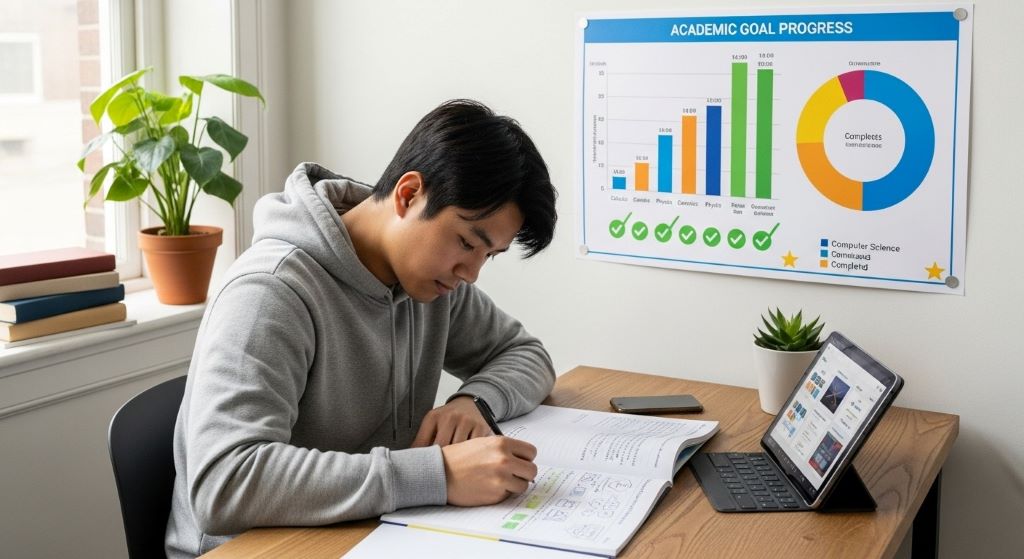
Create tracking systems matching the student’s age and independence level. Young children might use sticker charts while older students maintain digital portfolios. Additionally, visual progress indicators motivate continued effort.
Use frequent informal assessments providing real-time feedback. Quick quizzes, verbal checks, and work samples reveal understanding without testing pressure. Moreover, informal data guides immediate instructional adjustments.
Maintain portfolios showcasing growth over time. Collect work samples, assessment results, and reflections documenting progress toward goals. Furthermore, portfolios provide concrete evidence of improvement that grades alone cannot show.
Schedule regular review meetings with all stakeholders. Discuss what’s working, what needs adjustment, and whether goals remain appropriate. However, celebrate successes before addressing concerns, maintaining positive momentum.
Involving All Stakeholders in the Planning Process
Effective personalized education plans require collaboration among students, parents, and educators. No single person possesses all necessary information and perspectives. Therefore, teamwork creates more comprehensive and effective plans.
Students should participate actively in planning when developmentally appropriate. Even young children can identify favorite subjects and challenging areas. Additionally, student input increases buy-in and ownership of their learning.
Parents provide critical information about home learning environments, interests, and challenges. They observe patterns teachers might miss and understand family circumstances affecting education. Moreover, parent support proves essential for plan implementation.
Teachers contribute professional expertise about curriculum, developmental expectations, and effective strategies. They assess current performance and recommend appropriate interventions. Furthermore, teacher commitment determines whether plans are actually implemented consistently.
Include specialists when relevant, such as reading specialists, counselors, or occupational therapists. These professionals offer targeted expertise addressing specific challenges. However, ensure all team members communicate regularly preventing conflicting approaches.
Adapting Plans for Different Educational Settings
Personalized education plans work in various settings including traditional schools, homeschools, and hybrid environments. However, implementation details vary based on context. Therefore, adapt planning processes to fit specific situations.
Traditional school settings require collaboration with teachers following set curricula. Personalization happens through differentiated assignments, modified pacing, and supplemental support. Additionally, communication with teachers ensures home and school efforts align.
Homeschooling families have maximum flexibility for personalization. Curriculum choices, scheduling, and pacing can fully customize to individual needs. Moreover, homeschool plans can integrate life skills and real-world experiences seamlessly.
Hybrid or microschool environments combine structure with flexibility. These settings often already embrace personalized learning philosophies. Furthermore, smaller class sizes enable more individualized attention than traditional schools.
Online learning platforms provide built-in personalization through adaptive technology. However, parents must monitor engagement and supplement digital learning with offline activities. Additionally, online settings require extra attention to social-emotional development.
Conclusion
Creating a personalized student education plan requires comprehensive assessment, clear goal-setting, and thoughtful strategy selection. Successful plans incorporate student interests, leverage learning preferences, and include appropriate resources and schedules. Additionally, regular progress monitoring and collaborative teamwork ensure plans remain effective and relevant. Therefore, invest time in thorough planning while maintaining flexibility for adjustments. The result is education truly serving individual student needs rather than forcing learners into predetermined molds. Consequently, personalized plans help students develop skills, knowledge, and confidence needed for lifelong success.
Frequently Asked Questions
Who should create a personalized student education plan?
Ideally, students, parents, and teachers collaborate to create education plans. Students provide input about interests and challenges, parents share home observations and family goals, and teachers contribute professional expertise. This teamwork creates comprehensive plans addressing all aspects of student development.
How often should personalized education plans be reviewed and updated?
Review plans formally every quarter or semester to assess goal progress and strategy effectiveness. However, make minor adjustments anytime strategies aren’t working rather than waiting for scheduled reviews. Additionally, major life changes or significant performance shifts warrant immediate plan revisions.
Can personalized education plans work in traditional classroom settings?
Yes, though implementation looks different than in homeschool or microschool settings. Teachers can differentiate assignments, modify pacing, and provide targeted support within curriculum requirements. Additionally, supplemental resources at home can address needs not fully met during school hours.
What’s the difference between a personalized education plan and an IEP?
IEPs are legally binding documents for students with disabilities receiving special education services under federal law. Personalized education plans are informal frameworks any student can use regardless of disability status. However, personalized plans can complement IEPs by addressing areas beyond legal requirements.
How detailed should a personalized education plan be?
Plans should be detailed enough to guide daily decisions but flexible enough to allow adjustments. Include specific goals, strategies, resources, and timelines while avoiding micromanagement. Additionally, balance thoroughness with usability, ensuring the plan helps rather than overwhelms.
Related Topics:
What are the key elements of providing excellent patient care?