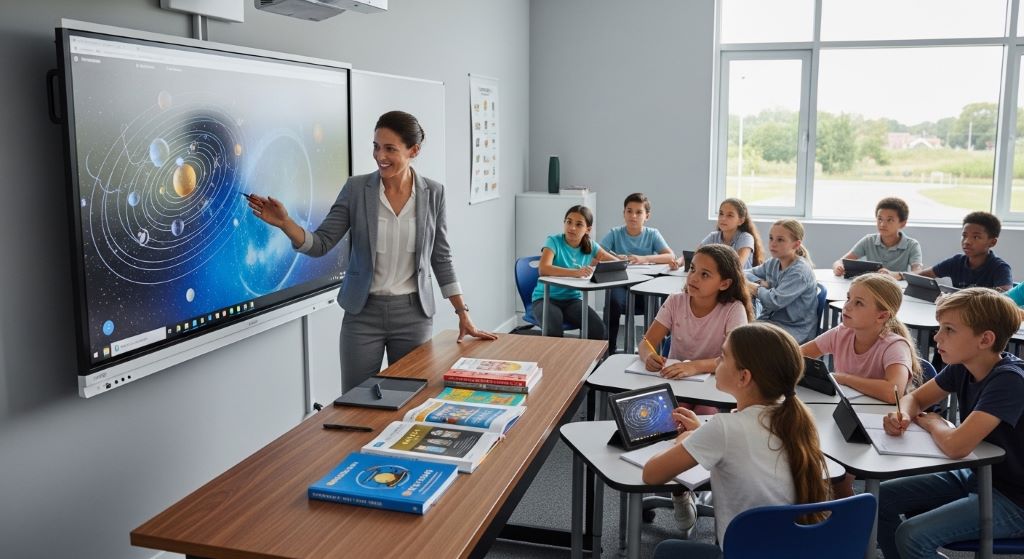
Education has always evolved. From one-room schoolhouses to sprawling university campuses, the way we teach and learn has never stood still. Today, classrooms look very different from what they did just twenty years ago. Smartboards replace chalkboards. Tablets sit alongside textbooks. Online platforms extend learning beyond school walls.
However, modern tools alone do not make great education. Many educators and researchers agree that the best learning environments blend the proven strengths of traditional teaching with the power of modern technology and methods. This balance is not always easy to strike. Yet when it works, students learn more deeply, retain information longer, and feel more engaged.
This article explores how schools, teachers, and institutions can successfully combine traditional and modern approaches to create a richer, more effective formal education experience.
Understanding Traditional Education and What It Offers
Traditional education has been around for centuries. It is built on a clear structure. A teacher stands at the front of a classroom and delivers lessons. Students listen, take notes, and complete assignments. There are fixed schedules, standard curricula, and regular assessments.
This model has endured because it works in many ways. It provides consistency. Every student receives the same core content. It creates discipline. Fixed timetables and expectations teach students how to manage time and follow through on responsibilities.
Additionally, traditional education fosters direct human connection. A skilled teacher does more than deliver information. They read the room, notice when a student is struggling, offer encouragement, and build relationships that motivate learning. This human element is something no technology can fully replace.
Furthermore, traditional methods like rote learning, repetition, and structured practice have a strong track record in building foundational skills. Learning multiplication tables, practicing grammar rules, and memorizing historical dates all benefit from the kind of deliberate repetition that traditional teaching emphasizes.
Therefore, before adding anything new, it is important to appreciate what traditional education already does well. Any modern approach that ignores these strengths risks discarding something valuable.
Understanding Modern Education and What It Brings
Modern education draws on technology, research in learning science, and new ideas about how students develop. It shifts the focus from the teacher as the sole source of knowledge to the student as an active participant in their own learning.
Digital tools are at the heart of many modern approaches. Learning management systems allow teachers to share resources, assign tasks, and give feedback online. Educational apps make practice feel more like play. Video lessons let students revisit complex topics at their own pace. Virtual classrooms connect learners across continents.
Beyond technology, modern education also embraces new teaching philosophies. Project-based learning encourages students to solve real-world problems. Flipped classrooms ask students to watch video lectures at home and use class time for discussion and practice. Personalized learning adapts content and pacing to each student’s needs.
Additionally, modern education places a strong emphasis on critical thinking, collaboration, and creativity. These skills matter enormously in today’s workplace, where problems are complex and teamwork is essential.
However, modern approaches also come with challenges. Without structure, students can feel lost. Too much screen time can reduce focus. Technology can distract as easily as it engages. When modern tools are introduced without thoughtful planning, they can do more harm than good.
Why Blending Both Approaches Makes Sense
Neither traditional nor modern education is perfect on its own. Each fills gaps that the other leaves open.
Traditional education can become rigid and passive. Lectures that run for an hour without interaction lose student attention. Standard curricula may not account for different learning styles or speeds. Assessment that relies only on memorization may not reflect a student’s true understanding.
Modern education, on the other hand, can feel fragmented without a clear foundation. Students who jump from app to app without structured guidance may pick up scattered facts without deep understanding. Technology used without purpose becomes a distraction rather than a tool.
Blending both approaches creates something stronger. Students benefit from the structure and human connection of traditional teaching while also gaining the engagement, flexibility, and real-world relevance of modern methods. Teachers benefit too. They can spend less time on repetitive tasks and more time on meaningful interaction with students.
Research supports this view. A growing body of evidence shows that blended learning, which combines face-to-face instruction with digital tools, produces better outcomes than either approach alone in many contexts. Students in well-designed blended environments tend to show higher engagement, better retention, and stronger performance on assessments.
Practical Ways to Combine Traditional and Modern Teaching
Making the combination work requires intentional planning. It is not enough to add a tablet to a traditional classroom or to schedule a weekly computer lab session. The integration needs to be purposeful, consistent, and student-centered.
Start with Learning Goals, Not Technology
The most common mistake is choosing technology first and then trying to fit it into the curriculum. This approach puts the cart before the horse. Instead, educators should start by identifying clear learning goals. What do students need to know or be able to do by the end of this lesson, unit, or course?
Once the goals are clear, teachers can ask which combination of traditional and modern methods will best support those goals. Sometimes a well-crafted lecture followed by group discussion is the most effective approach. Other times, an interactive simulation or collaborative online project will work better. The goal drives the method, not the other way around.
Use Technology to Extend, Not Replace, Human Instruction
Technology works best when it extends what a teacher does rather than replacing the teacher entirely. For example, a science teacher might deliver a traditional lesson on the water cycle, then use an animated simulation to let students visualize the process. The technology adds depth and visual clarity. The teacher provides context, answers questions, and guides discussion.
Similarly, online homework platforms can handle repetitive practice tasks, freeing up classroom time for deeper exploration. Teachers can review student performance data from these platforms and adjust their teaching accordingly. This combination of automated practice and human responsiveness is more powerful than either alone.
Preserve the Structure That Students Need
One of the most important contributions of traditional education is structure. Students, especially younger learners, thrive when they know what to expect. Clear routines, predictable lesson formats, and consistent expectations reduce anxiety and help students focus on learning.
Modern elements should be introduced within this structure, not instead of it. A flipped classroom model, for instance, still follows a clear weekly rhythm. Students know when to watch videos at home and when to come prepared for discussion. The structure is modern in format but traditional in its emphasis on consistency and preparation.
Encourage Active Participation Using Both Methods
Passive learning, whether through a long lecture or an unchallenging video, produces weak retention. Both traditional and modern education can fall into this trap. The antidote is active participation.
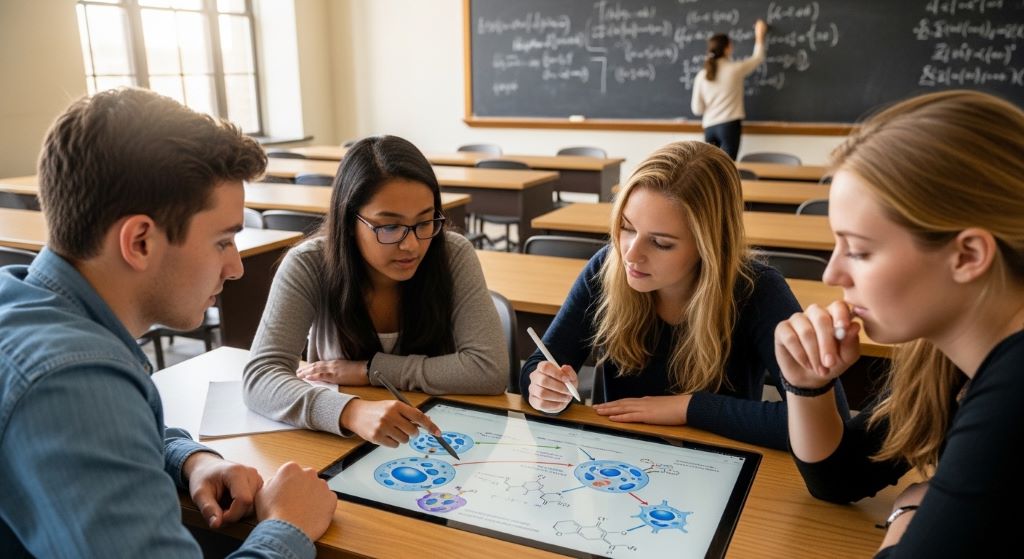
Traditional methods like Socratic questioning, class debates, and hands-on experiments have always encouraged active thinking. Modern tools like polling apps, collaborative documents, and discussion forums extend this participation into digital spaces. Using both creates multiple opportunities for students to engage deeply with the material.
Additionally, project-based learning bridges the two worlds effectively. Students use research skills grounded in traditional academic practice while also applying digital tools, creative problem-solving, and collaborative technology. The result is a learning experience that is both rigorous and relevant.
Train Teachers to Use Both Approaches Confidently
Even the best-designed curriculum fails without confident, well-prepared teachers. Professional development is essential. Teachers need training not just in how to use new tools, but in how to integrate them thoughtfully with existing practice.
This training works best when it mirrors the approach being taught. Rather than sitting through a passive lecture on modern teaching methods, teachers benefit from hands-on workshops, peer collaboration, and opportunities to experiment and reflect. Schools and institutions that invest seriously in teacher development see much better results from blended learning initiatives.
Addressing Common Challenges
Combining traditional and modern approaches is not without obstacles. Understanding these challenges helps educators prepare for them.
The Digital Divide
Not every student has equal access to technology outside the classroom. When teachers assign digital homework or rely on online platforms, students without reliable internet access or devices at home are left at a disadvantage. Therefore, schools must ensure that digital components of blended learning are accessible to all students, either through on-campus resources or device lending programs.
Resistance to Change
Some teachers, parents, and administrators are skeptical of modern approaches. They worry that technology distracts students or undermines academic rigor. These concerns deserve respect. Change should be introduced gradually, with clear communication about why specific modern methods are being added and what outcomes are expected.
Sharing research and early results with the school community builds trust. When teachers, parents, and students see evidence that the combined approach is working, resistance tends to decrease.
Maintaining Academic Rigor
Modern methods sometimes carry an unfair reputation for being less academically demanding than traditional ones. Project-based learning, for example, can vary widely in rigor depending on how it is designed. Schools must ensure that modern methods meet high academic standards. Assessment should evaluate deep understanding, not just completion or participation.
Traditional tools like written exams, essays, and oral presentations remain valuable here. They provide clear, comparable evidence of student achievement that complements the more informal assessments common in modern learning environments.
Examples of Successful Blending in Practice
Many schools and institutions around the world have found effective ways to blend traditional and modern education.
- Some primary schools combine daily handwriting practice and phonics drills with reading apps that adapt to each child’s level, giving every student the foundation they need at their own pace.
- Secondary schools in several countries use traditional textbooks for core content while assigning collaborative online projects that require students to research, create, and present their findings digitally.
- Universities increasingly offer hybrid courses that combine weekly in-person seminars with recorded lectures, online discussion boards, and digital submission of assignments.
- Vocational training programs blend hands-on workshop practice, a deeply traditional method, with digital simulations that allow students to rehearse complex procedures safely before attempting them in real settings.
These examples share a common thread. In each case, the combination is intentional. Traditional elements anchor the learning. Modern elements extend, enrich, and personalize it.
Conclusion
Combining traditional and modern approaches in formal education is not about choosing one over the other. It is about using the best of both to serve students more effectively. Traditional education offers structure, human connection, discipline, and a strong foundation of proven practice. Modern education brings flexibility, engagement, personalization, and real-world relevance.
When educators start with clear learning goals, use technology to extend rather than replace human teaching, preserve the structure students need, and invest in teacher development, the combination produces powerful results. Students learn more deeply, stay more engaged, and develop the full range of skills they need for life beyond the classroom.
The future of education is neither entirely traditional nor entirely modern. It is thoughtfully blended, and that blend, when done well, represents some of the best teaching and learning our schools have ever offered.
Frequently Asked Questions
What is the difference between traditional and modern education?
Traditional education relies on structured classroom teaching, fixed curricula, and direct instruction by a teacher. Modern education incorporates digital technology, student-centered approaches, and flexible learning methods. Both have strengths, and the most effective educational environments use elements of each.
How can teachers blend traditional and modern methods without overwhelming students?
The key is to introduce change gradually and always lead with clear learning goals. Teachers should add one modern element at a time and ensure that new tools fit naturally within the existing structure of their lessons. Keeping routines consistent while slowly enriching them with modern methods helps students adapt without feeling overwhelmed.
Does blended learning work for all age groups?
Yes, but the balance differs by age. Younger students generally benefit from more structure and direct instruction, with modern tools used in shorter, more guided activities. Older students and adult learners can typically handle more self-directed digital learning. The blend should always be adjusted to suit the developmental needs of the learners.
Is blended learning more effective than fully traditional or fully online education?
Research generally suggests that well-designed blended learning produces better outcomes than either fully traditional or fully online instruction for most students. However, the quality of implementation matters greatly. A poorly designed blend can be less effective than either approach on its own.
How can schools support teachers in making this transition?
Schools should invest in ongoing professional development that is practical, collaborative, and relevant to teachers’ specific subjects and student populations. Providing teachers with time to plan, experiment, and reflect, as well as access to coaching and peer support, makes a significant difference in how successfully they integrate traditional and modern methods.
Related Topics:
Learn How Do You Find The Diffrent Typs of Mathmatical Symmetry